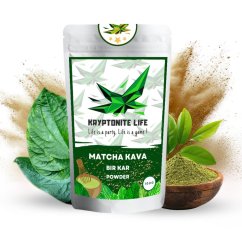
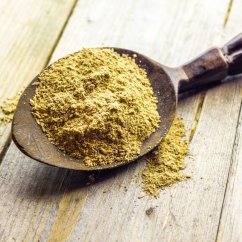
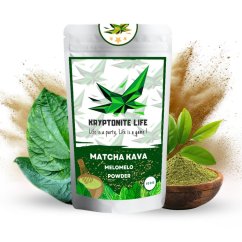
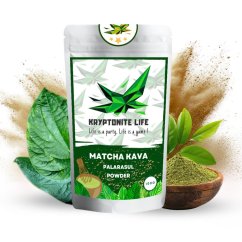
What happens when Japanese energy meets the laid-back atmosphere of the South Pacific? Matcha Kava is an original combination of Japanese green tea matcha and traditional Kava Kava (Piper methysticum). Matcha is known for its natural caffeine content and belongs to a world where the day picks up speed. Kava Kava, on the other hand, has a long history in island traditions, where calmer moments and communal gatherings have their place. It is precisely this contrast that makes Matcha Kava an interesting botanical combination of two different worlds.
➕ What Matcha Kava is made of, how matcha is produced and what to watch out for
💚 Matcha Kava – the Vitality of Japan and the Calm of the Pacific
Japanese matcha is made from finely ground green tea leaves of Camellia sinensis, while Kava Kava comes from the underground parts of the tropical plant Piper methysticum, traditionally grown in Vanuatu, Fiji and Tonga. Each brings its own botanical composition and character, from distinctive green tea to the earthy notes of the Pacific plant. Individual blends may differ in ingredient ratio, origin of raw materials and method of processing.
Matcha vs. Kava Kava vs. Matcha Kava
- 🍵 MatchaFinely ground tea leafGreen tea from the Camellia sinensis plant from Japan. The whole leaf is consumed, not just an infusion. The taste is umami, grassy and gently sweet. Contains caffeine.
- 🌿 Kava KavaUnderground part of a Pacific plantRoot of Piper methysticum from Vanuatu, Fiji and Tonga. The taste is earthy, slightly peppery and bitter. Contains no caffeine.
- 🍵🌿 Matcha KavaA combination of both plantsThe character of the blend depends on the ratio of its components. Matcha brings green tea and caffeine, Kava Kava brings earthiness and Pacific tradition.
How matcha is made
- 1 · ShadeTea plants are shaded for several weeks before harvest. The leaves take on a deep green colour and contain more amino acids, for example L-theanine, which contributes to the umami taste.
- 2 · Harvest and steamAfter picking, the young leaves are steamed so that they do not oxidise and stay fresh green.
- 3 · TenchaThe leaves are dried without being rolled and are stripped of stems and veins. The result is tencha, the raw material for matcha.
- 4 · GrindingTraditionally, tencha is ground on granite stone mills. A single mill produces only about 30 to 40 g of powder per hour.
The process and quality vary by producer. Some matcha is nowadays also ground by machine.
🔎 How to recognise genuine matcha: According to Japanese labelling, matcha is ground from tencha, that is, from shaded and steamed leaves. Powder made from other tea is classified only as “powdered tea”. Good matcha has a vivid, deep green colour. A dull, yellowish or khaki colour usually indicates older powder or less shaded leaves. Note: In combination with Kava Kava, even a deep green matcha will turn brownish.
Fun facts about Matcha Kava
- 2 plantsMatcha comes from the tea plant Camellia sinensis, kava from the pepper plant Piper methysticum. They are not related and come from opposite ends of Asia and the Pacific.
- Caffeine: yes × noMatcha contains caffeine, Kava Kava does not. A scientific review reports roughly 19 to 44 mg per gram of matcha powder. In a specific blend, it depends on the share of matcha.
- Whole leafMatcha is not steeped and discarded; the powder is mixed into water. That is why it is classically whisked with a bamboo whisk.
- Two bitternessesMatcha is umami and grassy, kava is earthy and slightly bitter. The word “kava” means precisely “bitter” in Tongan.
According to tradition, the powdered form of tea reached Japan in the 12th century thanks to the Buddhist monk Eisai. Today, matcha is traditionally produced mainly in the prefectures of Kyoto (the city of Uji), Aichi (Nishio) and Shizuoka. Kava has been cultivated in Vanuatu, Fiji and Tonga for roughly 3,000 years. Matcha Kava thus brings together two very old traditions that would otherwise never have met.
Matcha Kava vs. other forms of Kava Kava
Traditional Kava Kava is a dried and ground root with the variety stated. Instant Kava is a dried water extract. Kava Kava tablets are a practical form for those who do not get along with loose powder. Matcha Kava is a category that combines kava with another plant, Japanese green tea.
What to look for when choosing
Look at the ratio of matcha to kava, because that is what determines both the taste and the caffeine content. Also check the origin of the matcha and the origin or variety of the kava. If you want pure Kava Kava without any other ingredients, choose from the Traditional Kava Kava category.
Frequently asked questions about Matcha Kava
What is Matcha Kava?
It is a combination of Japanese green tea matcha (Camellia sinensis) and traditional Kava Kava (Piper methysticum). Individual blends may differ in ingredient ratio, origin of raw materials and processing.
What is matcha made from?
From tencha, that is, shaded tea leaves that are steamed, dried, stripped of stems and veins and then finely ground. The whole leaf is used, which is why the powder is a deep green.
Does Matcha Kava contain caffeine?
Matcha contains caffeine, Kava Kava does not. How much there is in the blend depends on the share of matcha, so follow the information on the packaging. People differ in their sensitivity to caffeine.
What does Matcha Kava taste like?
Matcha brings umami, grassy freshness and a gentle sweetness. Kava Kava brings earthiness and a slight bitterness. The result depends on the ratio of the two components.
How is Matcha Kava prepared?
The method varies depending on the specific blend, so follow the information on the packaging. Pure matcha is classically whisked with a bamboo whisk so that the fine powder disperses evenly in the water.
Are matcha and Kava Kava related plants?
No. Matcha comes from the tea plant Camellia sinensis, Kava Kava from the pepper plant Piper methysticum of the pepper family. Both have a long tradition, but in completely different parts of the world.
How does Matcha Kava differ from traditional Kava Kava?
Traditional Kava Kava is a dried and ground root with the variety stated. Matcha Kava is a combination with Japanese matcha, so it has a different composition, taste and caffeine content.
Is Kava Kava the same as coffee?
No. Kava Kava is the root of a tropical plant of the pepper family and has nothing to do with the coffee plant. The word “kava” comes from Tongan and Marquesan and means “bitter”.
How is Matcha Kava sold at your shop?
As a collector's item.
💚 Kryptonite Life = quality, authentic origin and a top selection.
We sell as a collector's item.