➕ Varieties, origin and interesting facts about traditional Kava Kava
💚 Traditional Kava Kava and its varieties
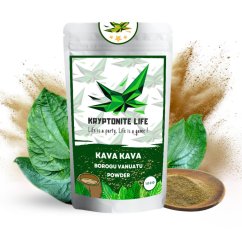
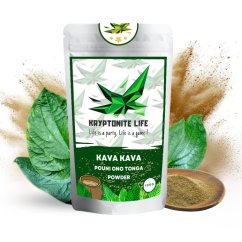
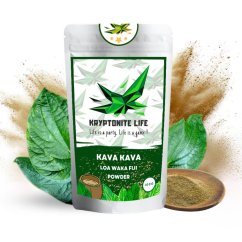
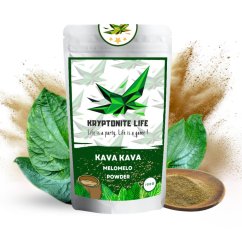
Classic Kava Kava is made from the dried and ground underground parts of the Piper methysticum plant. Unlike instant forms and extracts, it keeps the form of a natural botanical raw material. In our range you will find the varieties Borogu Vanuatu, Pouni Ono Tonga, Loa Waka Fiji, Melomelo, Bir Kar and Palarasul. Each has its own unique origin, and with kava origin is the main way varieties are distinguished.
Varieties of traditional Kava Kava and their origin
Four varieties come from Vanuatu, from three different islands: Espiritu Santo, Pentecost and Ambae. One is from Fiji and one from Tonga.
-
📍 Pentecost, Vanuatu · Deep Night
One of the most widely grown and best-balanced noble varieties in the world, and a common part of Vanuatu's nakamals. Pentecost is also the island famous for the traditional tower jumps (land diving).
-
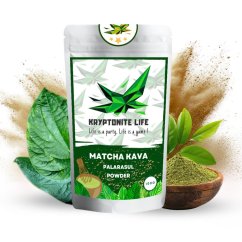
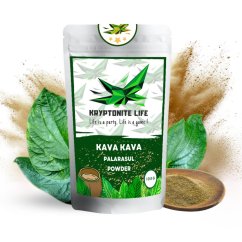
📍 Espiritu Santo, Vanuatu · Energy Day
Locally it is called “Bir Sul”, meaning yellow kava, after its yellow leaves. It is one of the noble varieties listed in Vanuatu's kava law (Kava Act 2002).
-
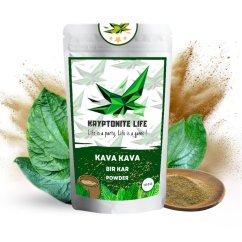
📍 Espiritu Santo, Vanuatu · Heavy Chill
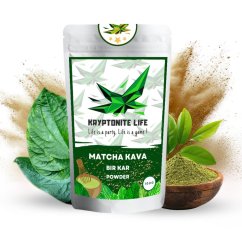
The counterpart of Palarasul: “Kar” means red, and the name refers to the reddish stems of the plant. It is also one of the noble varieties on the Kava Act 2002 list.
-
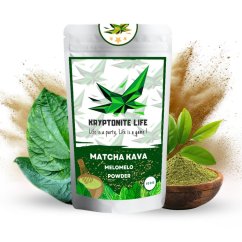
📍 Ambae (Aoba), Vanuatu · Light Vibe
A noble variety from the volcanic island of Ambae. Together with Borogu and Palarasul, Vanuatu suppliers count it among the best-known export varieties.
-
📍 Fiji · Focus Flow
In Fijian kava terminology “Waka” refers to the plant's lateral roots, that is, a different part from the main tuber (stump).
-
📍 Tonga · Social Boost
A variety from the kingdom where the word “kava” originated. In Tongan it means “bitter”.
Labels such as Deep Night or Energy Day are indicative descriptions of a variety's style, not scientific measurements. Everyone perceives things differently.
Kava Kava in Pacific culture
- 🏝️ Vanuatu: nakamalKava is traditionally drunk in the evening in the nakamal, the village's social centre, from a coconut shell. In the north the root is pounded with a piece of coral; in the south (the island of Tanna) it is traditionally chewed.
- 🥥 Fiji: yaqona and sevusevuIn Fiji kava is called yaqona. It accompanies important social and political events, and a guest traditionally brings a bundle of roots as a sevusevu gift. It is drunk from coconut cups called bilo with the greeting “bula”.
- 👑 Tonga: Taumafa KavaThe most formal occasion is the royal ceremony Taumafa Kava. An ordinary kava gathering is called faikava, and almost anyone can take part.
Interesting facts about the Piper methysticum plant
- ≈ 3,000 yearsThat is how long people have cultivated kava. It arose in northern Vanuatu through selection from its wild relative Piper wichmannii.
- ClonesCultivated kava is sterile and propagates only by cuttings. Every plant in the world is a descendant of a plant that someone carried by canoe from island to island.
- ≈ 4 yearsThat is how long the plant is traditionally left to grow before harvest. It reaches about 2 metres and then tends to spread outwards.
- 80+ varietiesVanuatu alone has over eighty. No other region of the Pacific has such diversity.
The name is interesting too. Piper methysticum means “intoxicating pepper”, and the plant is indeed related to the black pepper in our kitchens (family Piperaceae). It was given its scientific name in 1786 by the naturalist Georg Forster, who described it on Captain James Cook's expedition.
What “noble” kava means
Kava is divided into noble varieties, which were traditionally drunk regularly, and tudei (“two-day”), medicinal and wild varieties, which were used only occasionally. Vanuatu enshrined this division in the Kava Act 2002 and permits only noble varieties for export. Borogu, Melomelo, Palarasul and Bir Kar are all noble varieties from Vanuatu.
Traditional Kava Kava vs. instant forms
Traditional Kava Kava is dried and ground root, that is, a natural botanical raw material. Instant kava, matcha kava and tablets are further processed products with a different form. If you want the root in its original form and with the variety stated, choose from this category.
Frequently asked questions about traditional Kava Kava
What is traditional Kava Kava?
It is the dried and ground underground part of the Piper methysticum plant (intoxicating pepper) from the islands of the South Pacific. Unlike instant forms and extracts, it retains the form of a natural raw material.
Where does Kava Kava come from?
From the islands of the South Pacific. It originated in northern Vanuatu and spread from there to Fiji, Tonga and other islands. Our varieties come from Palarasul and Bir Kar (Espiritu Santo), Borogu (Pentecost), Melomelo (Ambae), Loa Waka (Fiji) and Pouni Ono (Tonga).
What does the word “kava” mean?
The word comes from Tongan and Marquesan and means “bitter”. The Latin Piper methysticum means “intoxicating pepper”.
What do the names Palarasul, Bir Kar and Loa Waka mean?
Vanuatu names often describe the appearance of the plant. “Kar” in Bir Kar means red (reddish stems), Palarasul is locally “Bir Sul”, that is, yellow kava (yellow leaves). “Waka” in Loa Waka Fiji refers to lateral roots.
What is noble kava?
The traditional category of varieties that were drunk regularly in the Pacific, as opposed to tudei (“two-day”), medicinal and wild varieties. Vanuatu permits only noble varieties for export.
What is the difference between ground root and instant Kava Kava?
Ground root is a natural botanical raw material. The instant form is a further processed product. They differ in form as well as in processing.
Is Kava Kava the same as coffee?
No. Kava Kava is the root of a tropical plant of the pepper family and has nothing to do with the coffee plant. The names are merely similar.
How is Kava Kava sold in your shop?
As a collector's item.
💚 Kryptonite Life = quality, authentic origin and a top selection.
We sell it as a collector's item.