

Ayahuasca: Complete Guide to Everything You Need to Know
History and traditional use
Ayahuasca represents a fascinating connection with the ancient traditions of Amazonian cultures.
Its name comes from the Quechua language, where "aya" means "soul" or "ancestor" and "huasca" means "vine" or "rope". This sacred combination of plants is not just a beverage, but represents a complex system of traditional knowledge that has evolved over millennia.
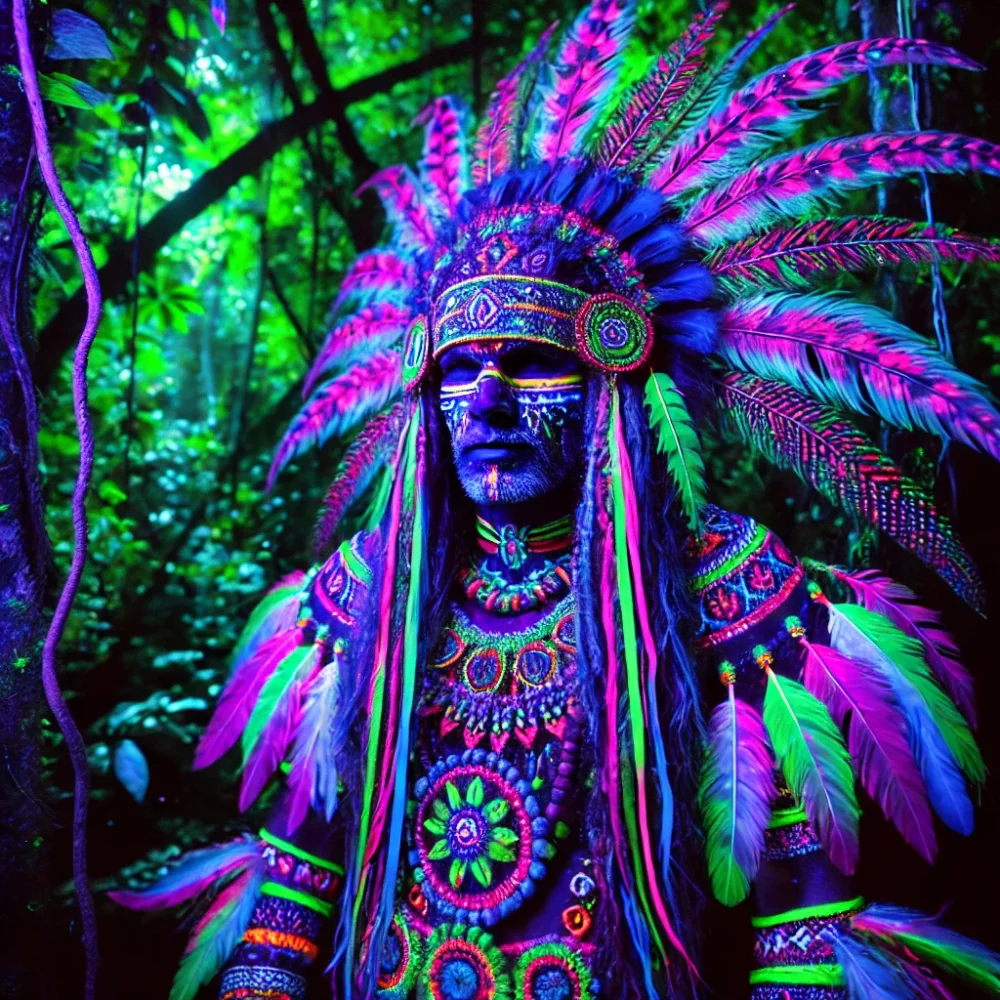
Archaeological findings from Peru and Ecuador have revealed traces of ritual use of ayahuasca dating back as far as 2500 years. Ceramic vessels found contained chemical residues of alkaloids typical for ayahuasca mixtures. The traditional use of ayahuasca has always been closely linked to shamanic practice, where shamans, also known as curanderos, used this beverage to diagnose difficulties, communicate with the spiritual world, and care for community members.
Preparation of the traditional beverage is a complex process requiring deep knowledge of plants and their specific properties.
The basic mixture consists of two main components:
- Banisteriopsis caapi vine, which contains beta-carboline alkaloids
- Leaves of the Psychotria viridis shrub, which contain DMT
The preparation process often involves several hours of cooking these plants, during which the shaman sings sacred songs (ícaros) and performs various rituals. In different parts of the Amazon, other plants may be added to the mixture, each with its own purpose.
Chemical composition and effects in the body
Ayahuasca represents a unique example of the synergistic effect of plant substances.
Its main active ingredients work together in a way that Amazonian shamans discovered long before modern science.
DMT (N,N-Dimethyltryptamine):
- It is a naturally occurring psychedelic substance produced by various plants and animals, including the human body
- Structurally similar to serotonin, an important neurotransmitter in the brain
- Would be ineffective when taken orally on its own, as the enzyme monoamine oxidase in the stomach would quickly break it down
- Affects various neurotransmitter systems in the brain, primarily the serotonin system
Beta-carbolines (harmine, harmaline, tetrahydroharmine):
- Function as monoamine oxidase inhibitors (MAOIs)
- Prevent the breakdown of DMT in the digestive tract
- Allow DMT to cross the blood-brain barrier and reach the brain
- Have their own psychoactive and supportive effects, including mood-enhancing properties
This combination creates a complex effect lasting several hours, which cannot be reduced to the action of individual components.
Why people seek Ayahuasca
In recent decades, interest in ayahuasca has been growing not only among researchers but also among people seeking alternative paths to personal growth and inner strengthening.
The reasons why people seek ayahuasca ceremonies are diverse and often overlap.
Mental health support:
- Depression and anxiety disorders: Many ceremony participants report significant mood improvements, often even in cases where conventional support has not worked
- Post-traumatic stress disorder (PTSD): Ayahuasca can help process difficult memories and change how one responds to them
- Addictions: Users often describe deep insights into the causes of their habits and find motivation for change
Personal development:
- Self-knowledge: Ayahuasca can open access to repressed memories and emotions
- Creativity: Artists often describe increased creative inspiration and new perspectives
- Relationships: Many people find deeper understanding of their relationship patterns and ways of communication
Spiritual growth:
- Transcendent experiences: Users often describe profound spiritual experiences and a sense of connection with something greater
- Meaning of life: Ayahuasca can help find or strengthen life direction and values
- Relationship with nature: A common consequence is deepening ecological awareness and connection with nature
What Ayahuasca contains
Ayahuasca is a traditional psychoactive beverage created by combining two main plant components:
- Banisteriopsis caapi vine
- Contains substances from the beta-carboline group (harmine, harmaline, tetrahydroharmine)
- These substances function as MAO (monoamine oxidase) enzyme inhibitors
- The vine itself does not cause visual effects
- Leaves of the Psychotria viridis shrub (or other plants containing DMT)
- Contain N,N-dimethyltryptamine (DMT)
- DMT is the main psychoactive component responsible for visionary effects
- Would be inactive when taken orally on its own
Principle of operation:
Beta-carbolines from the vine block the MAO enzyme in the body, which would normally break down DMT. Thanks to this blockade, DMT can be absorbed into the bloodstream and cross the blood-brain barrier, thus reaching the brain.
In traditional recipes, other plants are often added for:
- Modification of effects
- Health support
- Reduction of nausea
- Taste improvement
The importance of an experienced shaman's presence at an Ayahuasca ceremony
An experienced shaman represents an absolutely key element of every ayahuasca ceremony.
His role goes far beyond merely serving the sacred beverage -- he is primarily a guarantor of safety, a guide through the entire process, and a guardian of the sacred space. 
The safety of participants begins even before the ceremony itself with thorough screening and continues with proper individual dosing of ayahuasca. During the ceremony, the shaman continuously monitors the energetic field and state of individual participants. Thanks to many years of experience, he can immediately recognize potential complications and intervene adequately. His presence creates a protective energetic barrier for the entire ceremonial space.
During the ceremony, the shaman actively navigates the process using ícaros -- sacred songs that act as energetic tools for directing the power of the beverage. These songs are not just a cultural element but represent a sophisticated system of working with consciousness and energy. Through them, the shaman communicates with the spirits of plants, activates various aspects of ayahuasca, and helps participants navigate through different phases of the experience.
The shaman's ability to work with energy is crucial.
He can perceive and cleanse negative energies, unblock energy centers, and harmonize the energy body of participants. His presence ensures protection from negative entities and helps anchor the transformational processes that take place during the ceremony.
In crisis situations, an experienced shaman is irreplaceable. He can stabilize participants going through difficult emotional states, assist with strong cleansing processes, and provide necessary grounding during states of disorientation. His presence acts as a safety anchor that allows participants to fully immerse themselves in the process with the knowledge that they are in good hands.
The shaman also ensures the proper structure of the ceremony. From creating a sacred space, through the timing of individual phases, to safely closing the ceremony. He coordinates group dynamics and uses auxiliary plants at the right moment to support the process.
At the level of spiritual guidance, the shaman functions as a bridge between the world of ordinary reality and the spiritual dimension.
He helps translate and contextualize spiritual experiences, provides protection at subtle levels, and assists during deep spiritual openings. His presence ensures that the entire process takes place in accordance with sacred traditions.
The therapeutic aspect of the shaman's work lies in his ability to recognize the roots of psychological blocks and guide participants to their core.
He provides support in processing traumas and helps with the integration of new realizations. His years of experience allow him to provide participants with a meaningful context for their experiences.
In the period after the ceremony, the shaman's role is equally important. He helps with the interpretation of visions, provides advice for the integration period, and supports participants in implementing the insights gained into everyday life. His guidance is essential for maximizing the potential of the entire experience.
The absence of a qualified shaman can turn the ceremony into a potentially dangerous experience. Without proper guidance, the process can be psychologically destabilizing, spiritually ungrounded, and in some cases even traumatizing. The shaman is not just a ceremonial element, but primarily a guarantor of the safety, depth, and sacredness of the entire process.
Therefore, it is absolutely essential to select only experienced and trustworthy shamans with a proven history of working with sacred plants for ayahuasca ceremonies. Their presence represents a basic prerequisite for a safe and transformative experience with this sacred beverage.
Selecting a trustworthy center or shaman
Selection criteria:
Experience and references:
- History of working with Ayahuasca
- References from previous participants
- Transparency regarding the course of the ceremony
- Clear communication regarding safety protocols
Safety standards:
- Health screening of participants
- Presence of assistants during the ceremony
- Crisis plan
- Availability of medical assistance
- Quality facilities
Approach to participants:
- Personal consultation before the ceremony
- Support during the integration process
- Respect for individual needs
- Professional boundaries
- Ethical code
Modern research and therapeutic use of Ayahuasca
Current scientific research demonstrates the significant potential of ayahuasca in supporting mental health, including alleviating depression, anxiety, addictions, and post-traumatic stress. 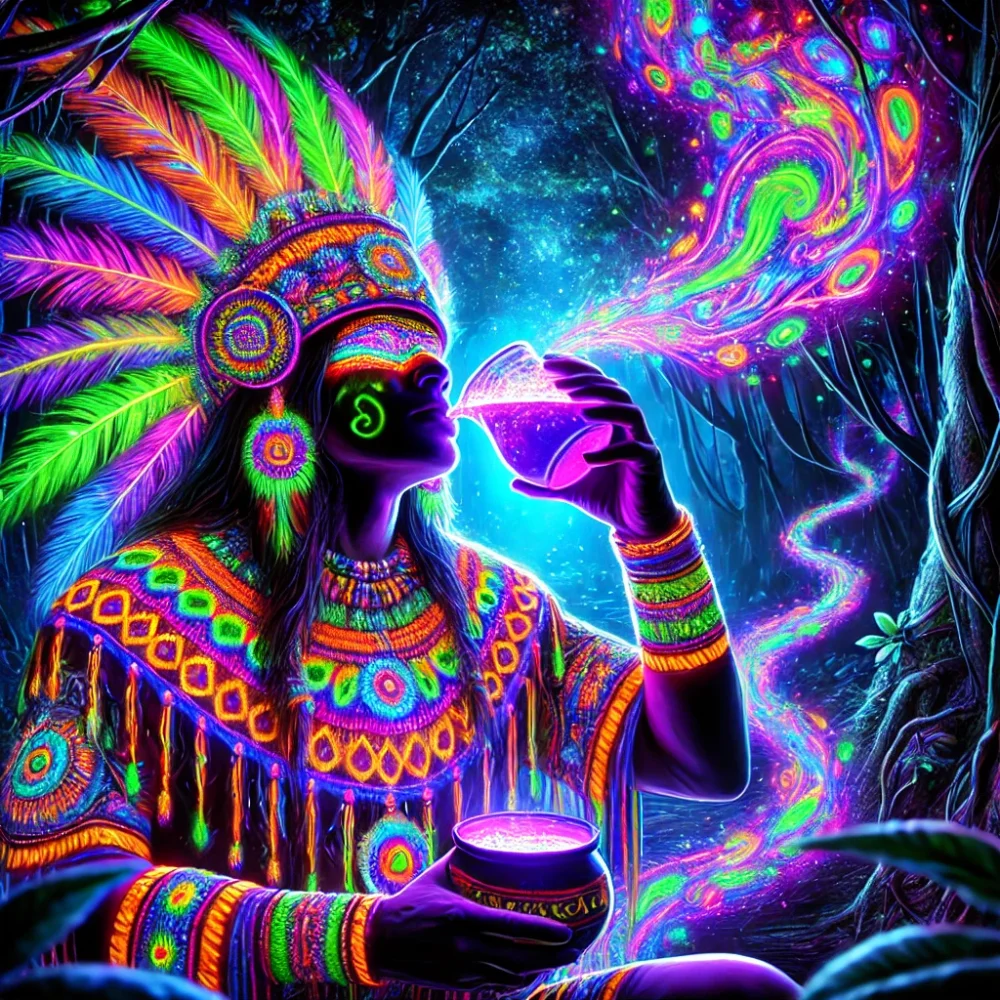
Ongoing studies focus on several key areas:
Neurobiological research:
- Ayahuasca significantly affects levels of serotonin and other neurotransmitters in the brain
- Activates specific brain areas associated with emotions and self-awareness
- Promotes neuroplasticity and the formation of new neural connections
Psychological effects:
- Enables access to repressed memories and traumas
- Supports processing of emotional blocks
- Increases level of self-acceptance and insight
- Helps overcome rigid thought patterns
Overcoming addictions:
- Research shows up to 80% success in supporting habit change after completing a series of ayahuasca sessions
- Helps break addictive behavior patterns
- Reduces craving
- Supports finding meaning in life
Depression and anxiety:
- Studies demonstrate rapid and long-lasting antidepressant effect
- Effect can occur after just one ceremony
- Positive effect persists for weeks to months
- Lower risk of side effects compared to common antidepressants
Research centers:
- Leading world universities are establishing specialized departments for ayahuasca research
- Standardization of protocols for therapeutic use is underway
- Collaboration with traditional indigenous experts is developing
Safety profile:
- When used properly in a controlled environment, ayahuasca shows a high degree of safety
- Careful screening of participants is key
- Necessary exclusion of contraindications
- Important role of an experienced guide
Integration process:
- Quality integration of the experience is crucial for long-term effect
- Professional psychological support is recommended
- Lifestyle change is important
- Gradual incorporation of gained insights
Legislative aspects:
- Several countries have already legalized the use of ayahuasca for religious and therapeutic purposes
- The number of clinical studies is growing
- Discussion about the legal framework for therapeutic use is ongoing
Future perspectives:
- Further development of research and possible approval for therapeutic use in other countries is expected
- Development of standardized therapeutic protocols
- Integration into the psychological support system
- Combination with other approaches
Preparation for an Ayahuasca ceremony - complete guide
Physical preparation (2-4 weeks before the ceremony)
Proper physical preparation begins at least two weeks before the ceremony itself.
During this period, it is necessary to cleanse your diet and exclude certain foods. The basis is to eliminate red meat, significantly reduce salts and sugars. Heavy and fried foods have no place in the diet. It is essential to consume sufficient amounts of clean water and complete abstinence from alcohol and other substances. 
Special attention should be paid to foods containing tyramine. This means completely eliminating fermented products, aged cheeses, and cured meats. It is also necessary to avoid avocados, bananas, and all soy products. These dietary restrictions are key to the safety of the ceremony.
Mental preparation
Mental preparation is just as important as physical preparation. Regular meditation practice and breathing exercises are recommended. Yoga or other gentle forms of exercise help harmonize body and mind. Spending time in nature is important and significantly reducing time spent on digital devices. Stress should be minimized.
A key part of preparation is clearly formulating the intention of the ceremony. Dedicate time to self-reflection and writing your thoughts in a journal. Process your expectations and prepare questions you want to explore during the ceremony. This inner process helps maximize the potential of the experience.
Practical aspects
For the ceremony itself, it is essential to have appropriate equipment ready. Clothing should be comfortable and loose, ideally in light colors. Don't forget warm socks and a light blanket for comfort during the night. A water bottle, basic hygiene supplies, and a journal with a pen are also important.
Medical history must be thoroughly consulted with the ceremony organizers. Prepare a list of all medications you take and information about any health limitations. Have a contact for a close person with you in case of need.
Contraindications
Some health conditions absolutely preclude participation in the ceremony. These include serious heart diseases, high blood pressure, psychiatric illnesses, and pregnancy. The use of SSRI antidepressants is also incompatible with ayahuasca. Serious liver diseases present another contraindication.
There are also relative contraindications that require individual assessment. These include milder mental health issues, diabetes, or autoimmune diseases. In these cases, consultation with a specialist is necessary.
The day before the ceremony
The last day before the ceremony requires a specific regimen. During the day, only light food is allowed, followed by a complete fast from the evening. Sufficient rest and minimal physical exertion are important. Dedicate yourself to inner calming and limit social contacts.
The day of the ceremony
On the day of the ceremony, follow a strict regimen. Do not consume any food, drink only clean water. Physical activity should be minimal. Dedicate yourself to meditation or quiet contemplation. Mental preparation for the evening is key.
Arrive at the venue well in advance. Familiarize yourself with the space and prepare your spot. Communication with the shaman and the last opportunity to use the toilet are important.
Integration period
An important integration period follows the ceremony. Continue with dietary restrictions for several days and gradually return to your normal regimen. Dedicate time to processing experiences and writing them down. Limit the use of social media and allow yourself plenty of rest.
The integration process is key to the long-term benefit of the ceremony. Set aside enough time to process the experience. Take advantage of consultations with a guide or sharing in a support group. Implement the insights gained during the ceremony into your life gradually and with respect for the transformation process.
Safety and spiritual aspects
Safety is an absolute priority.
Work only with trustworthy organizers and verify the shaman's experience. Ensure a safe environment and reliable transportation. Inform a close person about your participation.
The spiritual dimension of the ceremony requires an appropriate approach.
Maintain deep respect for the sacred plant and reverence for the tradition. Be open to the process and trust its course. Accept any experience that comes as part of your healing process.
Legislative status of Ayahuasca in Europe
Legal framework
DMT, the main psychoactive component of ayahuasca, is classified as a controlled substance in most European countries. However, the legal situation of ayahuasca itself is more complex, as it is a natural brew containing multiple components.
Netherlands
The Netherlands has one of the most liberal approaches in Europe. Ayahuasca ceremonies take place within registered religious organizations. In 2019, the Dutch Supreme Court confirmed the right to use ayahuasca for religious purposes. However, organizers must adhere to strict safety protocols and screening of participants.
Spain
In Spain, there are several legally registered churches that can use ayahuasca in their ceremonies. Spanish courts have repeatedly ruled in favor of religious freedom in connection with the use of ayahuasca. However, it remains illegal outside of a religious context.
Portugal
Portugal decriminalized personal possession of all drugs in 2001. Ayahuasca is not specifically regulated here, but ceremonies take place in a legal gray zone. Authorities usually tolerate discreet performance of ceremonies.
Germany
German legislation considers DMT a controlled substance. Ayahuasca ceremonies are not legal, although some groups argue for religious freedom. Authorities occasionally intervene against ceremony organizers.
France
France has a very strict approach. Ayahuasca has been explicitly banned since 2005. French authorities actively prosecute ceremony organizers and the import of related plants.
Italy
In Italy, ayahuasca is not specifically regulated. Ceremonies take place in a legal gray area. Authorities usually do not intervene against discreet religious gatherings.
Eastern Europe
Eastern European countries generally do not have specific legislation regarding ayahuasca. DMT is classified as a controlled substance, but the legal attitude towards traditional use is not clearly defined.
Scandinavia
Scandinavian countries generally have a restrictive drug policy. Ayahuasca ceremonies are technically illegal, although in some countries there are efforts to recognize religious use.
Current trends
We are observing growing pressure for legal recognition of ayahuasca's potential. Several European research institutions are conducting clinical studies. There is discussion about the possibility of regulated use under professional supervision.
Religious freedom
The European Court of Human Rights recognizes the right to religious freedom. Some ayahuasca churches use this argument when legalizing their activities. The success of this approach varies by country.
Legal precedents
Significant court cases in various European countries are gradually forming the legal framework. There is a prevailing trend towards tolerance of discreet religious ceremonies, provided that safety measures are observed.
Future development
Further development of legislation is expected in connection with:
- Growing scientific research
- Pressure for therapeutic use
- Harmonization of European drug policy
- Recognition of indigenous cultures' rights
Recommendations for interested parties
Before participating in a ceremony, it is essential to:
- Verify the current legal situation in the given country
- Cooperate only with trustworthy organizations
- Respect local laws and regulations
- Consider legal risks
Harmonization in the EU
At the EU level, there is a discussion about a unified approach to traditional psychoactive plants. However, there is no common policy yet, and each member state regulates ayahuasca at its own discretion.
References and scientific studies
- Palhano-Fontes, F., et al. (2019). Rapid antidepressant effects of the psychedelic ayahuasca in treatment-resistant depression: A randomized placebo-controlled trial. Psychological Medicine, 49(4), 655-663.
- Jiménez-Garrido, D. F., et al. (2020). Effects of ayahuasca on mental health and quality of life in naïve users: A longitudinal and cross-sectional study combination. Scientific Reports, 10(1), 4075.
- Riba, J., et al. (2006). Increased frontal and paralimbic activation following ayahuasca administration: A SPECT study. Psychopharmacology, 186(1), 93-98.
- Dos Santos, R. G., et al. (2016). Antidepressive, anxiolytic, and antiaddictive effects of ayahuasca, psilocybin and lysergic acid diethylamide (LSD): a systematic review of clinical trials published in the last 25 years. Therapeutic Advances in Psychopharmacology, 6(3), 193-213.
- McKenna, D. J. (2004). Clinical investigations of the therapeutic potential of ayahuasca: rationale and regulatory challenges. Pharmacology & Therapeutics, 102(2), 111-129.